This post is also available in:
 Español
  Nederlands
There is a moment of stillness in every Peruvian kitchen, a ritual that precedes the most memorable flavours. It is not the lighting of the fire, but the deep, rhythmic sound of stone against mortar. It is the moment when the ají, that fruit laden with Andean sun and ancestral memory, is transformed. It stops being a simple vegetable and becomes essence, paste, the condensed soul of a nation ready to bring any culinary creation to life.
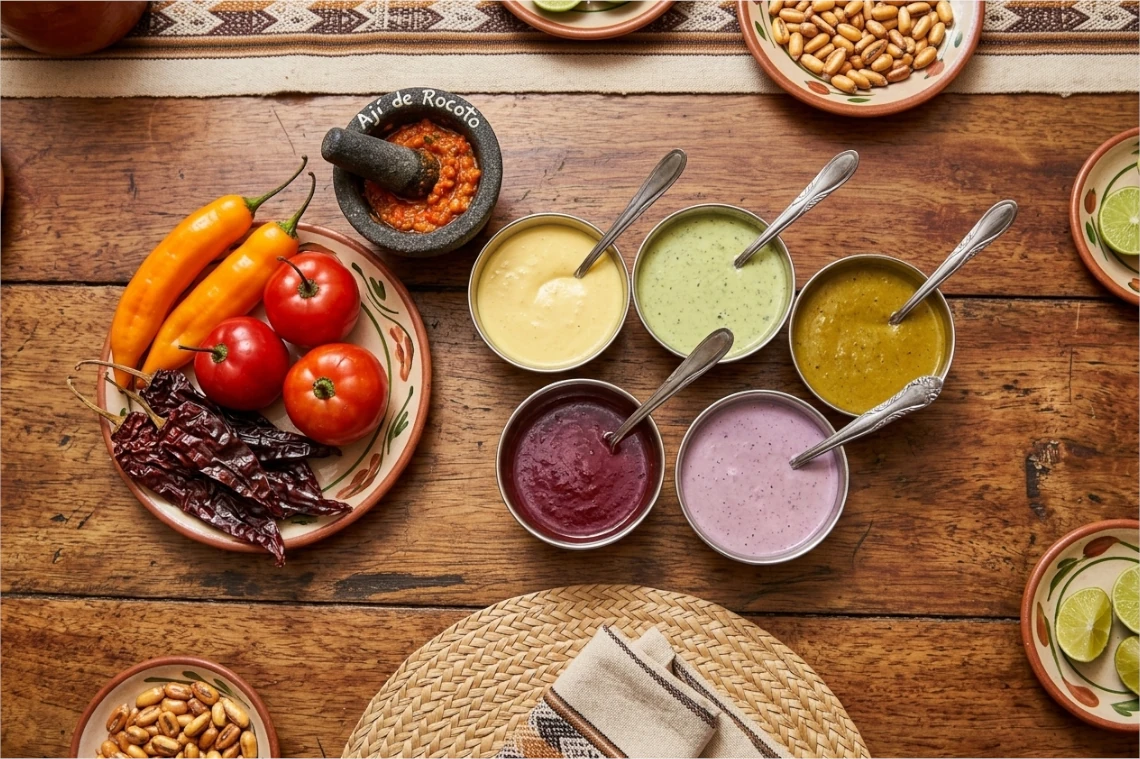
Mastering the art of ají pastes is like holding the keys to the kingdom of Peruvian gastronomy. It is not simply about heat: it is about capturing the earthy smokiness of the panca, the vibrant fruitiness of the amarillo and the fire of the rocoto, so you always have them at hand in your kitchen in the Netherlands. These pastes are the best-kept secret, the shortcut of the wise, to instil depth and authenticity in your dishes, from a simple grilled chicken to the most elaborate recipes.
A good ají paste is not bought: it is made. It is the shortcut that turns any ordinary dinner into a dish with memory.
Why Make Your Own Ají Pastes: A Choice for Flavour
You can buy these pastes in a jar, it is true. But making them at home does something transformative. You control the texture, the intensity and, most importantly, you ensure a vibrant, fresh flavour that no industrial preserve can match. The process, far from being a chore, is a meditation: a direct connection with the pure ingredient.
What you will need:
- Ajíes: amarillo, panca or rocoto. In the Netherlands the most reliable route is Latin American shops and neighbourhood markets; frozen ají is a perfect substitute and performs just like fresh.
- Neutral oil: sunflower or vegetable.
- Salt.
- White vinegar or lemon (only for the rocoto paste).
- A blender or food processor. A traditional stone mortar (batán) is the authentic choice, but a modern processor is practical and effective.
The Fundamental Trio: Recipes for the Perfect Pantry
Ají Amarillo Paste: The Sun in a Jar
This paste is the joy of Peruvian cooking. Its bright golden colour and fruity flavour are the base of countless classics.
The process begins with cleaning. Wash the amarillo ajíes. With a knife, make a lengthwise cut and carefully remove the veins and white seeds: this step controls the final heat. Wearing gloves is recommended if your skin is sensitive.
Cooking is the next fundamental step. In a pan of boiling water, cook the clean ajíes for about ten to fifteen minutes, until tender.
The final transformation happens in the processor. Drain the water and let cool. Place the cooked ajíes in the food processor. Add a generous pinch of salt and a thin thread of oil. Process until you get a smooth, homogeneous paste. If the mixture is too thick, add a tablespoon of the cooking water to adjust the texture.
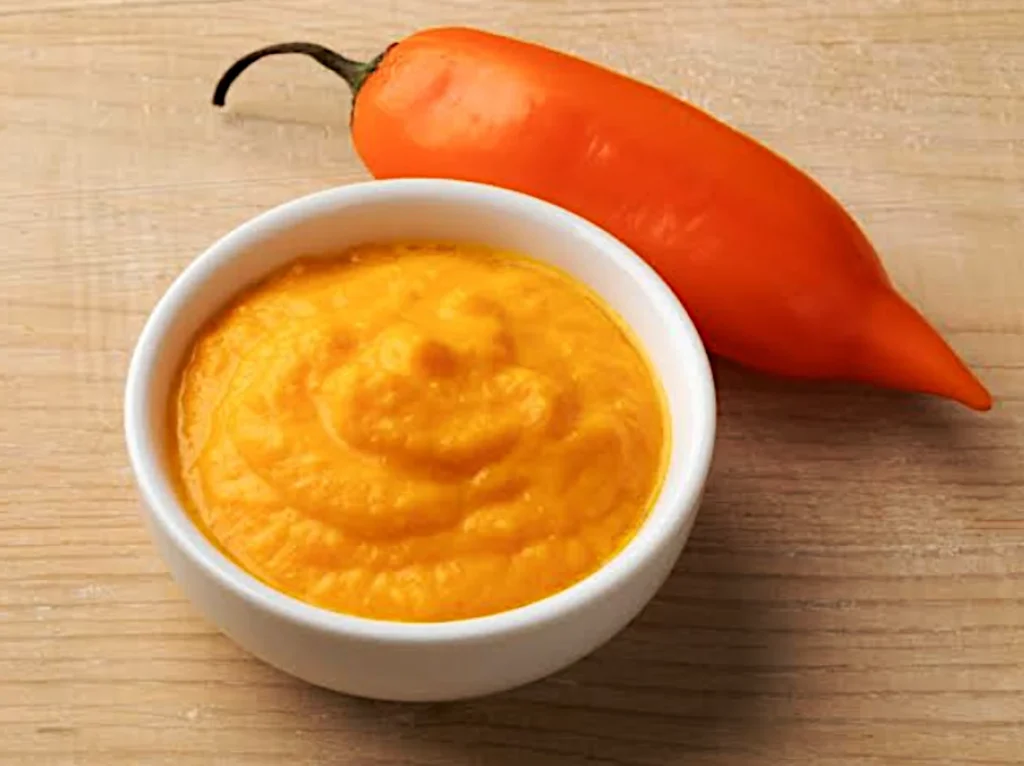
To store it, transfer the paste to a clean glass jar. Cover the surface with a thin layer of oil. It keeps for up to three weeks in the fridge.
Its key use: an indispensable base for salsa huancaína and ocopa, and for marinating chicken or fish with a truly Peruvian flavour.
Ají Panca Paste: The Smoke of the Andes
Dark, seductive and mysterious, this paste brings a smoky depth that completely transforms meats and stews.
The first crucial step is soaking. If you use dried panca ajíes, soak them in hot water (not boiling) for thirty to forty minutes, until they are flexible and fleshy.
After soaking, clean them. Drain them and, with your hands, open them to remove the veins and seeds.
Patience is key during processing. Place the soaked, drained ajíes in the processor. Add salt, a garlic clove (optional) and a splash of oil. Process calmly: the ají panca is more fibrous and needs more time to reach a fine texture. Add small amounts of the soaking water if needed.
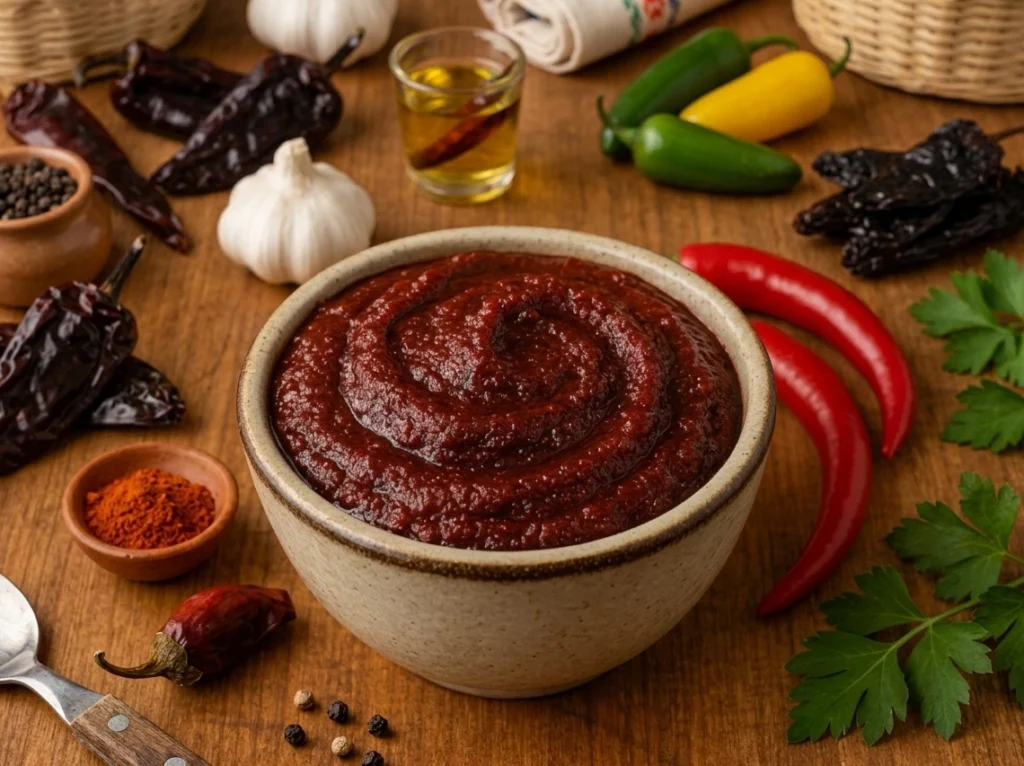
To store it, keep it in a jar, covered with oil. In the fridge its flavour intensifies over the days and it can last up to a month.
Its key use: the perfect marinade for anticuchos and pollo a la brasa, or to give lentils and soups a layer of complex flavour.
Ají Rocoto Paste: Controlled Fire
For bold palates, this paste offers all the fruitiness and characteristic heat of the rocoto, ready to use with caution and precision.
This process demands extreme care. Wear gloves, without exception. Wash the rocotos and cut them in half. Meticulously remove all the veins and white seeds, which hold most of the capsaicin.
A brief cooking softens and enhances. Boil the clean rocotos for five to seven minutes. This step does not remove all the heat, but it softens it a little and helps set the vibrant red colour.
Processing completes the transformation. Drain and cool with water. Process them with salt, oil and a teaspoon of white vinegar or lemon, which enhances the flavour and acts as a natural preservative.
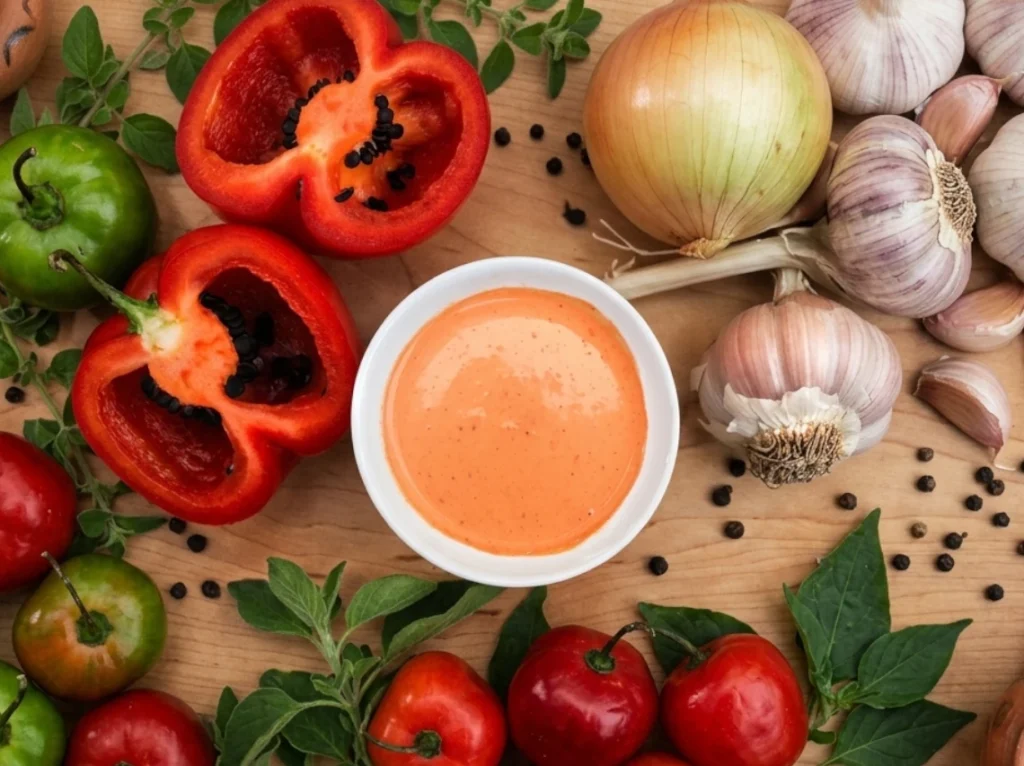
To store it, use a glass jar, covered with oil. In the fridge its potency keeps for weeks.
Its key use: ideal for a spicy salsa criolla to accompany meats, or to add controlled drops of heat to soups and stews.
A pan of boiling water and a food processor are enough to make your kitchen smell of Peru again, wherever you are.
Three Tricks that Make the Difference
Beyond the recipe, these details separate a decent paste from one you will make again every week.
- Freezing is an option: if you find fresh ajíes, clean them, keep them in an airtight bag and freeze them for use months later.
- Controlling the heat: the veins and seeds are the source of the heat. For a mild paste, remove them completely; for an intense version, leave some in.
- Experimentation: do not be afraid to add your own touch. A garlic clove in the panca paste or a spoonful of cooked onion in the amarillo one creates delicious variations.
Storage: Keeping Well Without Spoiling
A well-made paste can stay with you for weeks if you treat it with care. These simple habits make the difference between a jar that empties by the spoonful and one that spoils within days.
- A clean, dry jar: use sterilised glass (boiling water and air drying). Any trace of moisture shortens the paste’s life.
- The layer of oil: covering the surface creates a seal that isolates it from the air and slows the change in colour and flavour.
- No double dipping: do not put a spoon into the jar that has touched other food; always use a clean utensil.
- Refrigerated, never at room temperature: the three pastes live in the fridge; the rocoto one, thanks to the vinegar or lemon, lasts a little longer.
- Freezing in portions: divide the paste into an ice-cube tray and freeze; each cube is a spoonful ready for a stew, without thawing the whole jar.
Variations: Spicier, Milder, Quicker
The same base allows three twists depending on the day and the table.
- Spicier: leave some of the veins and seeds of the rocoto in and add a fresh ají limo to the mix.
- Milder and more aromatic: remove all the veins and seeds, and add half a cooked onion to the amarillo paste or a roasted garlic clove to the panca one.
- Express version: start from frozen ají or from a good bought paste as a base, and liven it up with garlic, salt and a splash of oil in the processor.
- Naturally vegetarian: the three pastes are vegan on their own; their flavour does not depend on any animal product.
What to Serve Them With
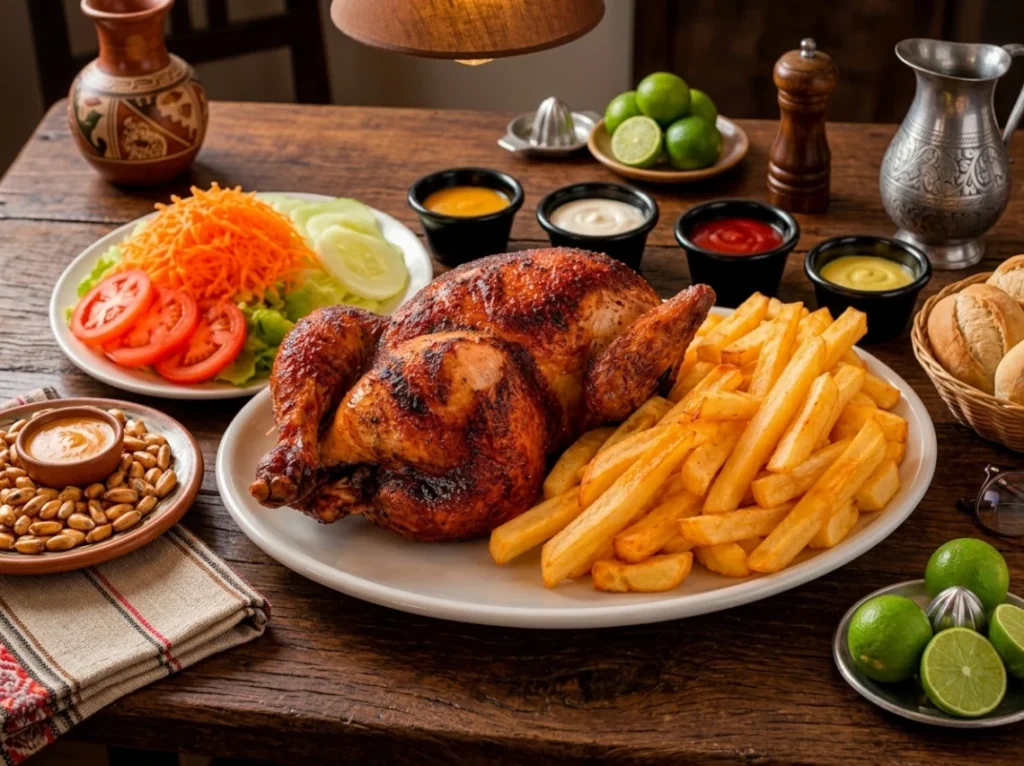
A well-placed spoonful changes the whole dish. The amarillo paste wakes up pollo a la brasa, potatoes and arroz con pollo; the panca one wraps anticuchos, stewed meats and lentils; the rocoto one lifts a salsa criolla, a broth or fish tacos. To drink, an ice-cold chicha morada works, or a light blond beer, or a pisco sour if the occasion calls for it.
This article is part of a series about Peruvian ingredients. Complete it with the guide to types of Peruvian ají, with Ají Peruano: the spicy soul of an ancient civilisation and with Flavours of Peru in your kitchen: 7 ingredients you should know. And if you are still torn between varieties, settle the dilemma of ají panca or ají amarillo.
Take Your Kitchen to the Next Level
The real culinary journey begins when the stove goes off and the experience is shared. A jar of ají paste in the fridge is not a kitchen trick: it is the way to have the flavour of Peru at hand any day of the week, and to put a full dinner on the table in minutes without losing authenticity.
If you want to keep expanding your Peruvian pantry, in Flavours of Peru in your kitchen: 7 ingredients you should know you will find the rest of the base. And if you make any of these three pastes, tell us how it went: every question and impression feeds this community that cooks Peruvian food in the Netherlands.
Tell us in the comments which of the three pastes you will make first, share this article with whoever cooks Peruvian food far from home, save it for your next ají shopping trip and keep exploring the recipe book with us.
Thank you for cooking Peru from your own kitchen. At Peruanos.nl we keep gathering stories, recipes and flavours so that the distance is only felt on the map.