This post is also available in:
 Español
  Nederlands
Can a small pepper tell the story of an empire, define the identity of a nation, and conquer the most demanding palates in the world? In Peru, the answer isn’t just “yes”; it’s Yes, with ají!
Imagine for a moment that it’s not just a simple ingredient. Imagine it’s the heartbeat of the pot, the ancestral whisper in every bite, the fire that doesn’t burn but gives life. We’re not here just to talk about spiciness; we’re here to reveal the best-kept secret of the Andes: ají is the very soul of Peru, and its story is about to enchant you.
For the Dutch, accustomed to defined and measured flavors, Peruvian ají is a revolution on the palate. It’s not an assault of heat, but a symphony of flavors: fruity, earthy, smoky, floral… a complexity that has traveled from the Inca temples to the markets of Amsterdam, waiting for you to discover it.
“Ají is not a condiment in Peru; it’s a companion to history. Without it, our dishes would lose their memory.” – Note from an anonymous chef at a market in Lima.
What Is Ají Really? An Answer That Goes Beyond Botany
In simple terms, ají is a fruit of the genus Capsicum, native to the Americas. But in Peru, that definition falls absurdly short.
Ají is culture, it is medicine, it is ritual, and it is celebration. Its domestication began thousands of years ago in the lands that today make up Peru. While Europe was seasoning with pepper imported from the East, pre-Hispanic civilizations were already creating sophisticated gastronomies around dozens of varieties of ajíes, each with a unique purpose.
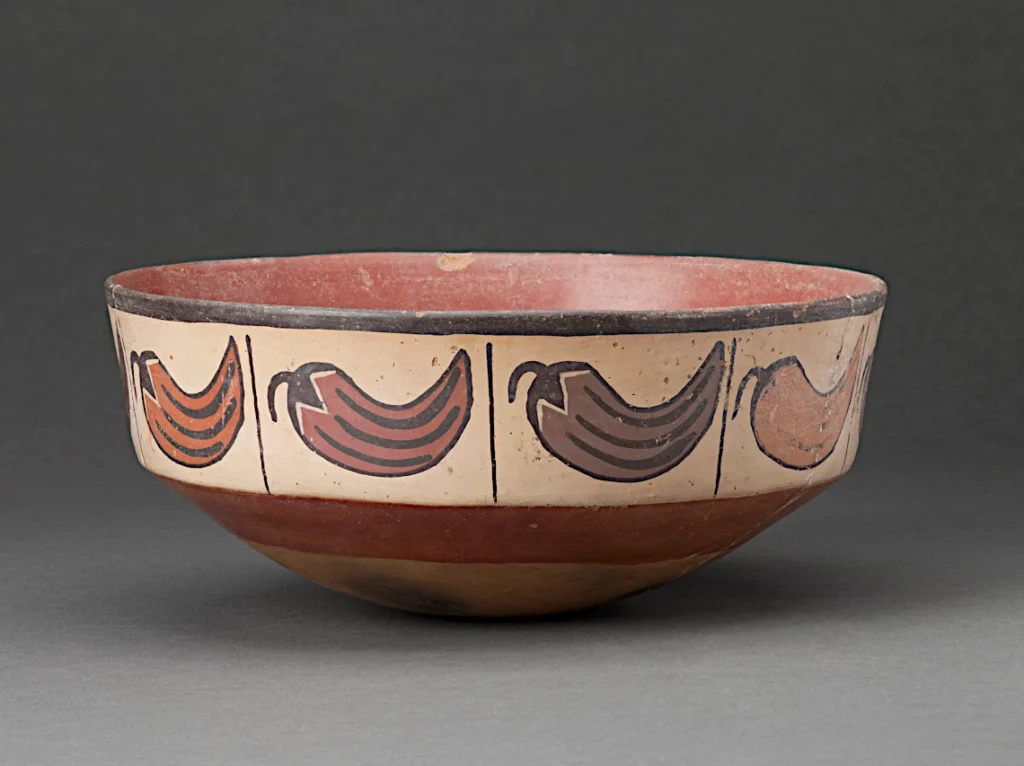
Unlike Sambal or many Asian hot sauces that often seek immediate impact, the Peruvian philosophy with ají is one of harmony. It’s not about dominating the dish, but elevating it, rounding out its flavors, adding depth without stealing the spotlight. It’s the art of making spiciness not the end, but the means to a complete sensory experience.
A Gallery of Flavors: Meet the Stars of Peruvian Ají
Not all ajíes are the same. Getting to know them is like learning to distinguish a Rembrandt from a Van Gogh; each has its own personality, history, and masterful use.
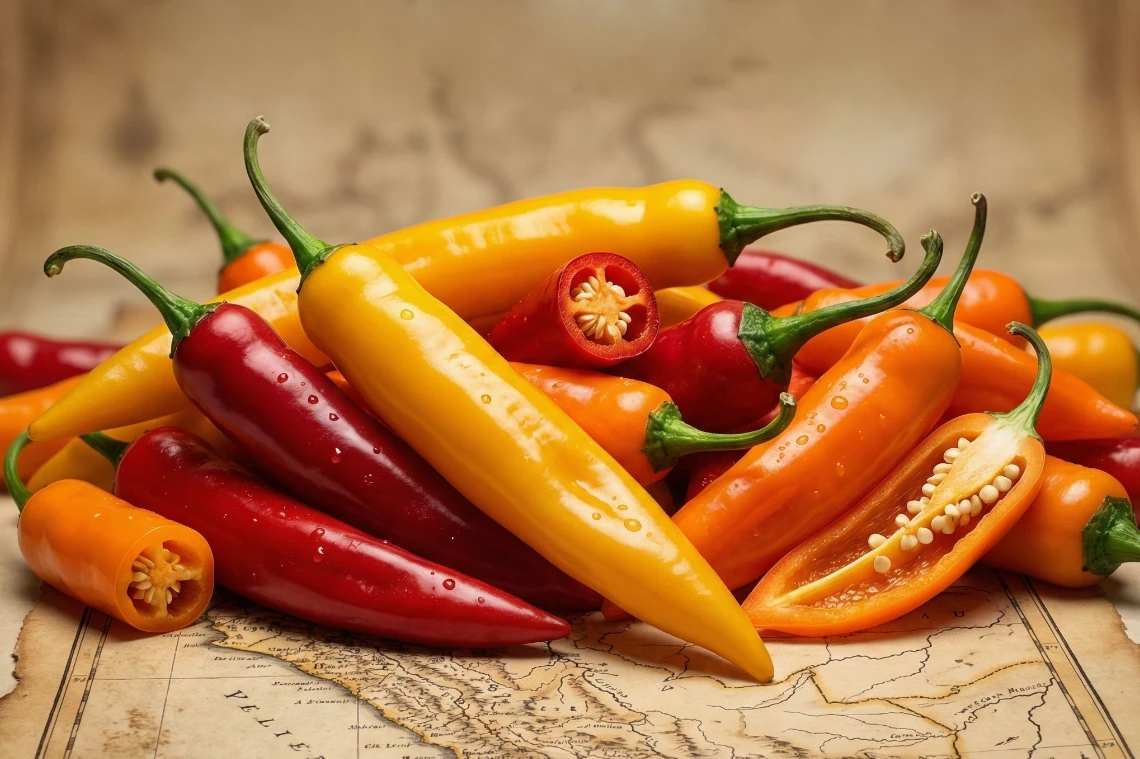
1. Ají Amarillo: The Versatile King
- Flavor: Medium heat, intensely fruity and slightly sweet. It is the most widely used in modern Peruvian cooking.
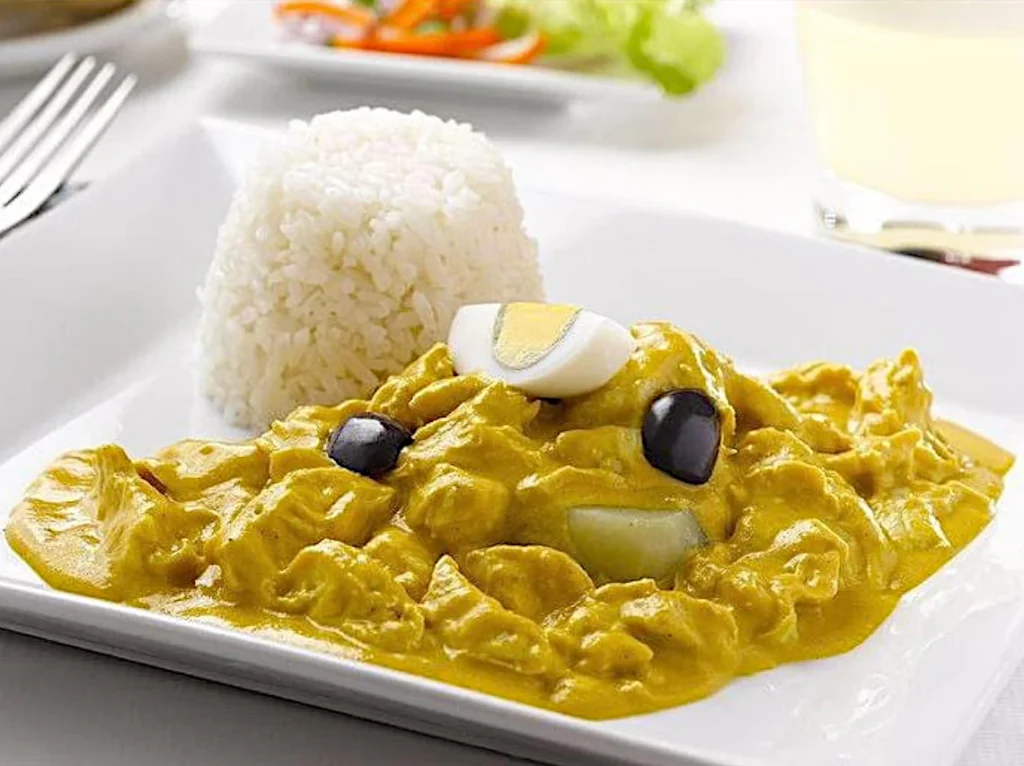
- Where do you find it? It is the fundamental base of powerful and creamy yellow sauces. It is the soul of Papa a la Huancaína (a cold starter of potatoes bathed in a cheese and ají sauce) and of Ocopa (a sauce with huacatay and nuts). Without it, these iconic dishes simply wouldn’t exist.
- Fun fact: When ripe, it is a vibrant yellow color, hence its name. It is the ají of everyday life and celebration.
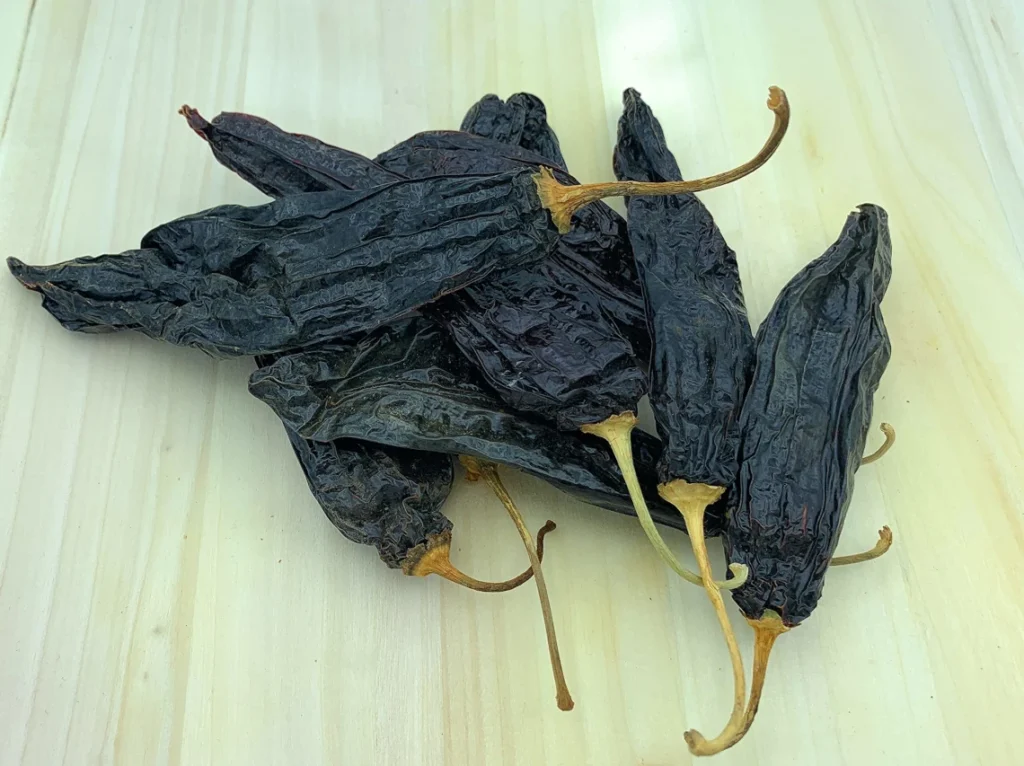
2. Ají Panca: The Smoky Sage
- Flavor: Very mild heat, with a deep earthy, smoky, and slightly sweet taste. Used almost always dried or as a paste.
- Where do you find it? It is the secret behind anticuchos (marinated beef heart skewers) and meat marinades. It gives a deep dark red color and an aroma that is the very essence of Peruvian grills.
- Fun fact: Many call it the Peruvian “sweet paprika,” but its flavor profile is infinitely more complex.
3. Ají Limo: The Ceviche Artist
- Flavor: Medium to high heat, but with very aromatic citrus and fruity notes.
- Where do you find it? It is indispensable in Ceviche. It is used raw, finely chopped, to give that spicy and aromatic touch that characterizes Peru’s flagship dish. It is not cooked, so as not to lose its volatile essence.
- Fun fact: Its name comes from the city of Lima, although it is grown all along the Peruvian coast.
4. Rocoto: The Brave Fire
- Flavor: High heat! Similar to a habanero, but with a unique fruity and fleshy flavor.
- Where do you find it? In Rocoto Relleno, an Arequipa dish where the rocoto is deveined and stuffed with minced meat, then baked with melted cheese. A delicious challenge for the brave.
- Fun fact: Unlike many hot peppers, it has black seeds, not white.
The Transatlantic Journey: How a Peruvian Fruit Changed World Cuisine
This is where the story becomes fascinating for us in Europe. After the arrival of the Spanish in the 16th century, ají embarked on a one-way journey.
Europeans, eager for new spices, quickly adopted it and took it to Africa and Asia. Within decades, this Andean fruit revolutionized the cuisines of Thailand, India, China, and Hungary (where paprika was developed). It is a historical irony: the pepper Columbus was seeking was eclipsed by a far more versatile and fascinating ingredient he found instead.
Today, when you taste a Thai curry or a dish from the Sichuan region, you are tasting, in part, the legacy of the ancient Peruvians.
“We brought ají to Europe thinking it was a substitute for pepper. We didn’t realize we were giving the world a new alphabet for flavor.” – Adaptation of 16th-century Spanish chronicles.
Ají in the Netherlands: A Guide for the Culinary Adventurer
“But where do I find these ajíes in Amsterdam, Rotterdam, or The Hague?” That’s the million-dollar question, and we have the answer.
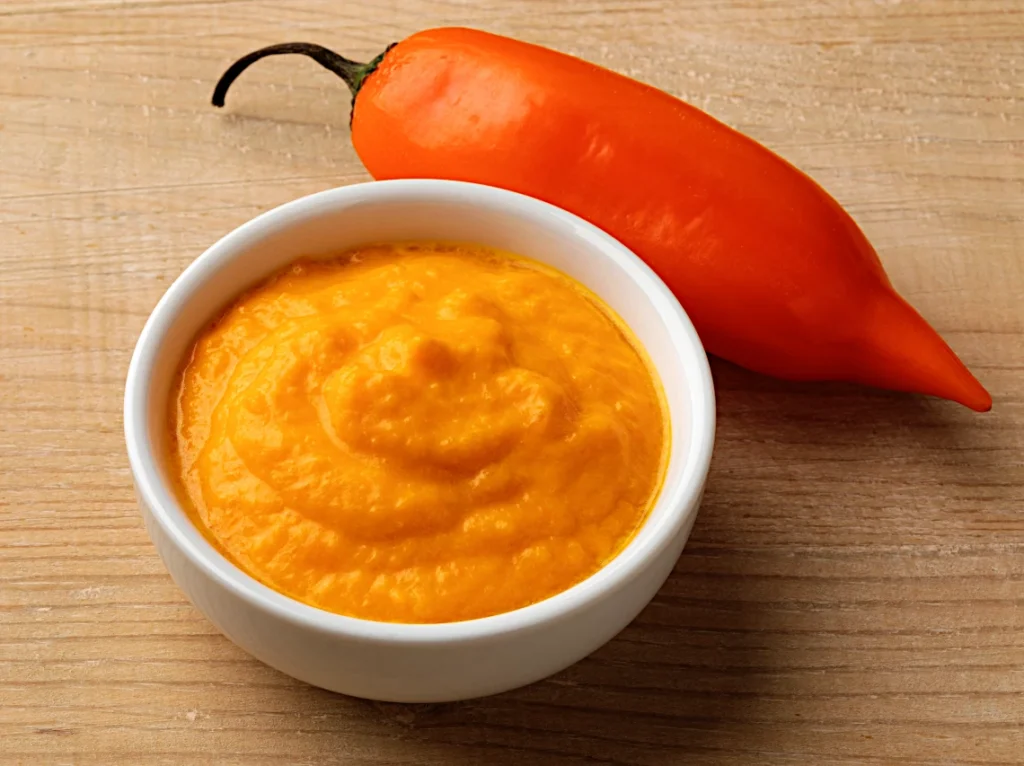
Fortunately, globalization and expat communities have made it easier than ever. You can find pasta of ají amarillo and ají panca in cans or jars at specialized online stores or in Latin American sections of large supermarkets like Amazing Oriental or even at some Turkish markets. For the more adventurous, some exotic greengrocers or specialized online stores occasionally have fresh fruits.
Tip for beginners: Start with the pastes. They’re easy to use, retain a lot of flavor, and allow you to control the level of spiciness precisely.
Beyond the Heat: The Ceremony of Flavor in Your Kitchen
Incorporating Peruvian ají into your cooking is not just adding an ingredient; it’s embracing a philosophy.
- Start Gentle: Begin with ají panca, whose heat is almost symbolic.
- Try and Adjust: Ají amarillo paste is your best ally. Add a teaspoon to mayonnaise, pasta creams, or chicken marinades and you’ll see the magic.
- Respect the Dish: Not every dish calls for every ají. Limo is for ceviche, panca for meats, amarillo for creamy sauces.
This journey is not about burning your tongue; it’s about educating the palate to appreciate layers of flavor you never imagined before.
Has Your Curiosity Been Piqued?
This journey through the world of Peruvian ají has only just begun, and we have many more stories and flavors to explore.
- Subscribe to Our Community! Don’t miss any of our stories. Receive in your email our upcoming interviews with Peruvian chefs in Europe and the secret recipes that are conquering the Netherlands. Be part of our family of Peruvian culture lovers.
- We Want to Hear From You! Leave a comment below: Which ají variety sparks your curiosity the most? The smoky panca, the versatile amarillo, or the spicy rocoto? Do you have questions about how to use it? Our community is here to help you.
- Share the Passion. Do you know a Dutch friend or expat who loves good food? Share this article and help us show that Peruvian cuisine is so much more than just spice. Let’s bring the flavor of the Andes to every corner of the Netherlands together!
The fire of the Andes awaits you!