This post is also available in:
 Español
  Nederlands
It is the number one question every traveller asks before booking a flight to Peru. And that is logical: when the country appears in international news, it is almost always linked to headlines about politics, protests or insecurity. But the reality on the ground is something else. Millions of people travel to Peru every year, tour Cusco, the Sacred Valley or the Amazon, and come home with no trouble beyond a camera card —or a phone memory— full of spectacular photos: Machu Picchu at sunrise, the terraces of the Sacred Valley and the Amazon rainforest.
This article is not going to sell you a paradise or scare you. It will give you what you were looking for when you typed that question into your browser: real data, specific areas and precautions that genuinely help.
The real data on safety in Peru
Let us start with what can be measured. According to the Global Peace Index 2024, Peru ranks 103rd out of 163 countries. For context: it sits above Argentina (110), Brazil (131) and Colombia (140).
The homicide rate is around 6.5 per 100,000 inhabitants. The United States, at 6.4, is practically the same; the Netherlands, at 0.6, far below. In other words: Peru is not the quiet Brabant, but it is not the dangerous place the headline of the day suggests either. It is a Latin American country with very different realities depending on where you are.
Peru is neither a dangerous country nor a risky destination: it is a large country with very different realities just a few hours apart.
Tourist areas: what to expect in each
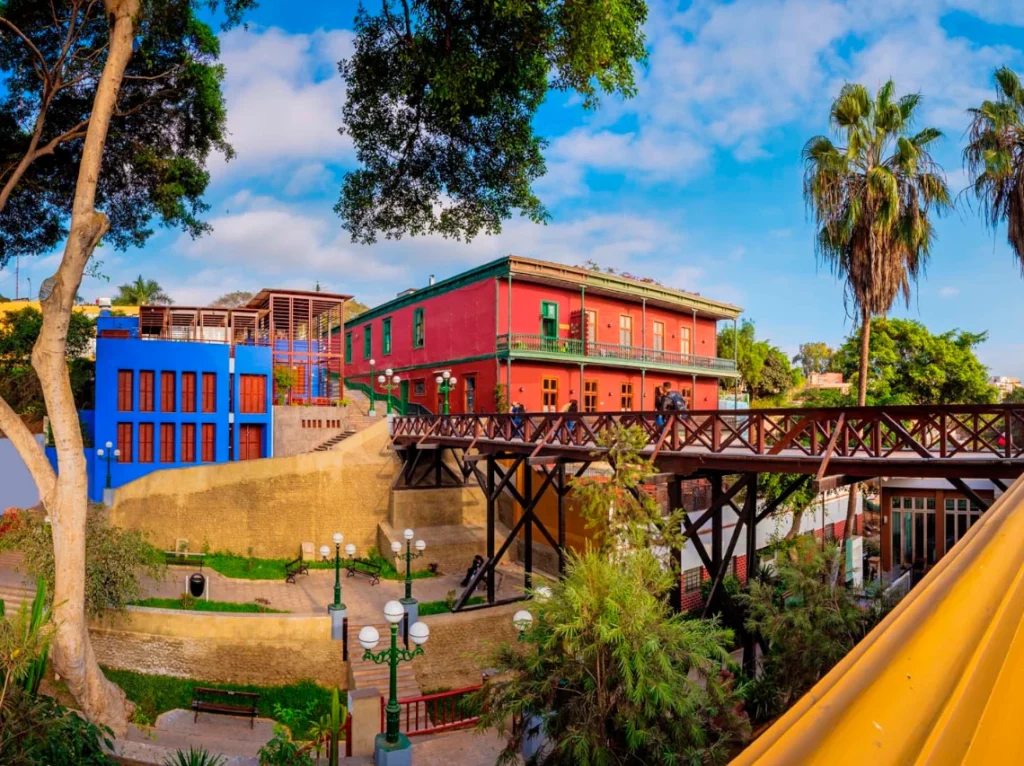
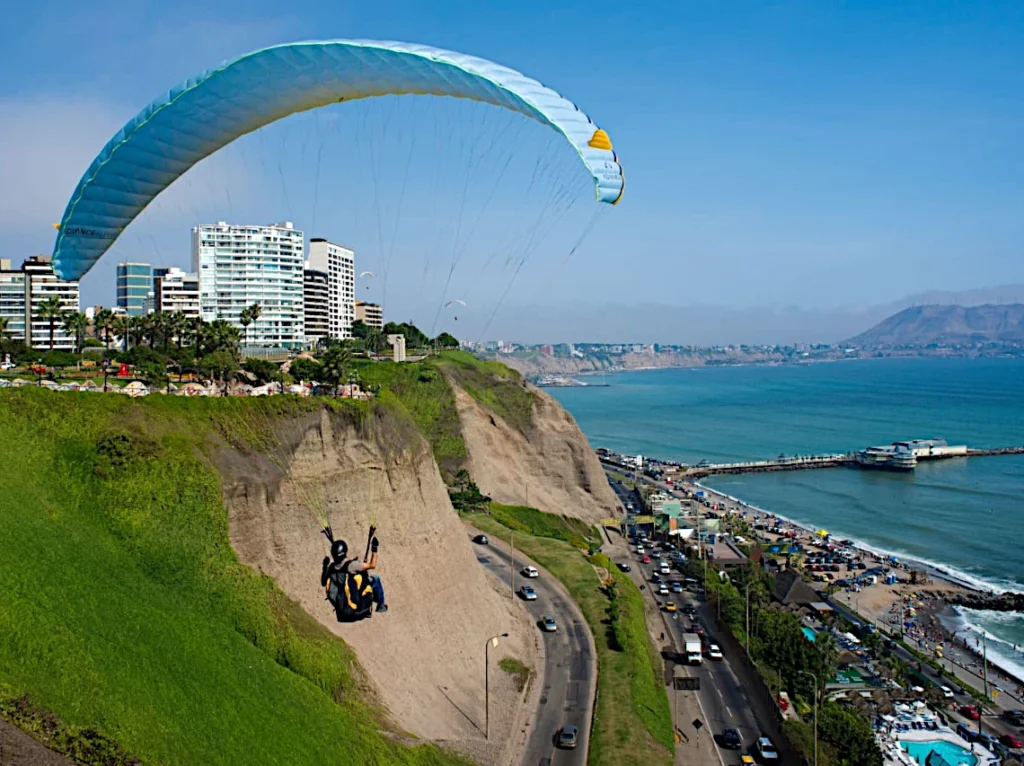
Lima. Miraflores, Barranco and San Isidro are safe by day and reasonably safe at night in the busy areas. Miraflores works very well as a first contact: the Costa Verde promenade fills with people running and strolling until late, and from there you understand within five minutes that the city is not what television tells you.
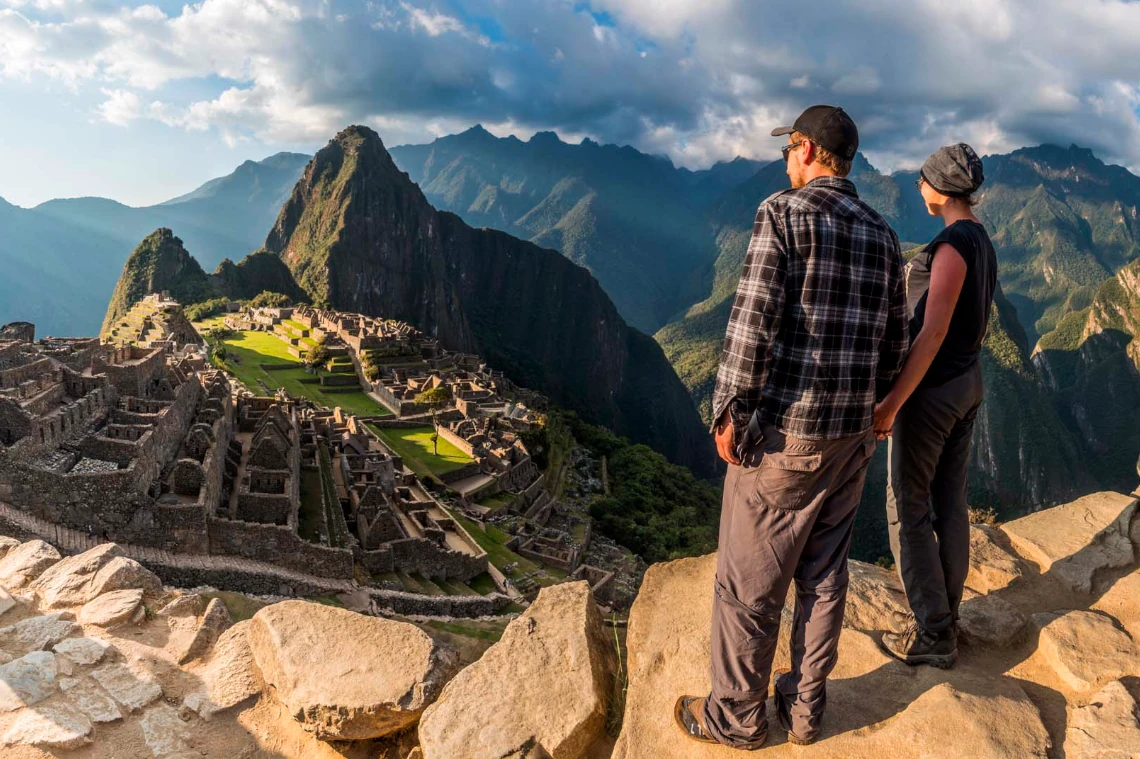
Cusco and the Sacred Valley. This is the safest area for tourism in the whole country and where you will find the most police presence. Machu Picchu, Ollantaytambo, Pisac and Moray run on a well-oiled tourist infrastructure, with thousands of visitors every day.
Arequipa. Similar to Cusco in how safe it feels. Its historic centre is pedestrian and has been declared a World Heritage Site, so you can walk around it without stress.
Amazon. Once you are at the lodge, the greatest danger is mosquitoes. Iquitos and Puerto Maldonado receive nature tourism with high standards and local guides who know the terrain.
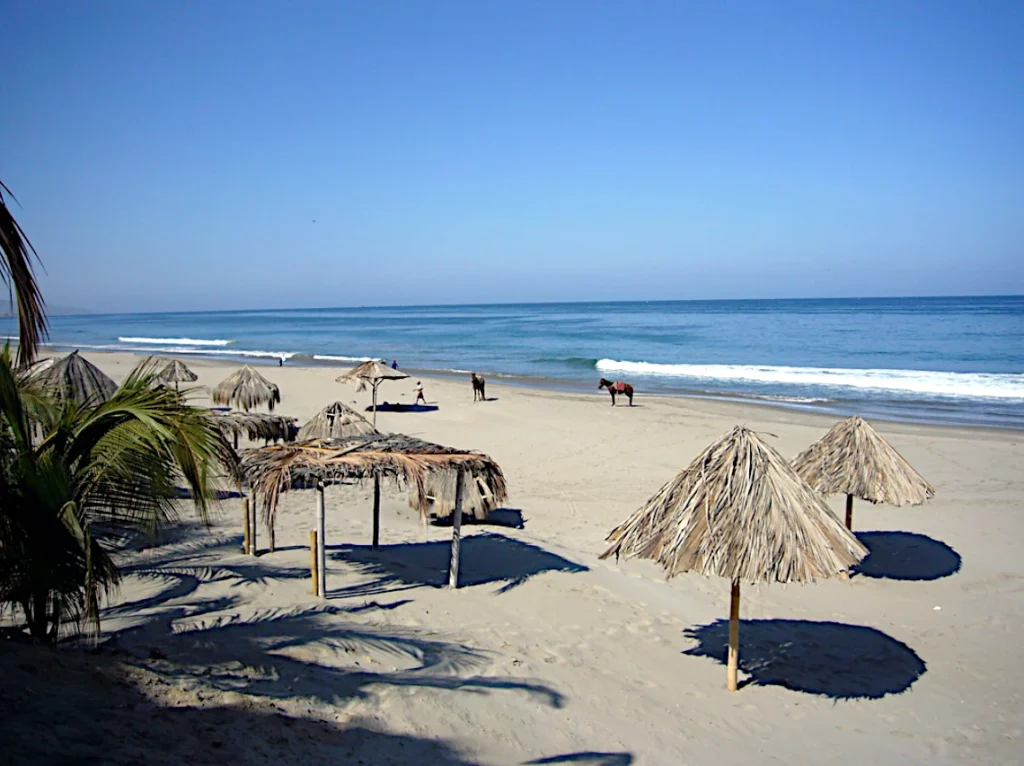
Northern beaches (Máncora). A well-established tourist area. The sensible thing is to move around in transport arranged by your own accommodation and not to improvise routes at night.
Common scams and how to dodge them
No surprises here: they are the same as in any tourist destination in the world, with a local accent. The «friendship tea» in bars in the centre, changing money on the street with banknotes that vanish, fake guides offering tours at half price and the classic pickpocket’s touch in markets.
None of them requires a security manual. They require the same as in the centre of Amsterdam on a Saturday night: do not show off your latest-generation phone, do not change money on the street —ATMs inside banks and shopping centres are the safe route— and be wary of anyone in too much of a hurry to help you.
Peru’s greatest real danger: altitude sickness
If there is something that can genuinely ruin your trip, it is not a robbery: it is soroche. Cusco sits at 3,400 metres above sea level, and your body notices even if you think it does not.

The first day is non-negotiable: take it easy, walk slowly, eat light, drink plenty of water and turn to coca tea, which genuinely helps. Avoid alcohol and heavy meals right after arriving. If the headache or nausea does not ease, local hotels and pharmacies are used to it and oxygen is available almost everywhere.
What almost nobody tells you is that the typical mistake of the European traveller is wanting to «make the most» of the first day. Do not do it. Sleep, hydrate, and the next day the same Cusco that seemed impossible becomes a wonderful city.
The first day in the Andes is not for seeing, it is for acclimatising: whoever respects it enjoys the rest of the trip.
How to get around the country without scares
Transport is the part that is most neglected and that causes the most trouble. Within Lima, apps such as Uber or Didi work well and remove haggling over a street taxi from the equation. In Cusco, it is easier to ask for a taxi through the hotel or use a known agency than to flag down the first one that passes.
Between cities, flights and long-distance tourist buses are well organised. For night trips, serious companies that leave from a station are better than those that pick you up on a corner. The rule, again, is simple: if something looks improvised, it probably is.
Practical tips for travellers from the Netherlands
Documentation. Dutch citizens do not need a visa for tourist stays of up to 183 days. Always carry your passport —many hotels ask for it for registration— and a separate copy.
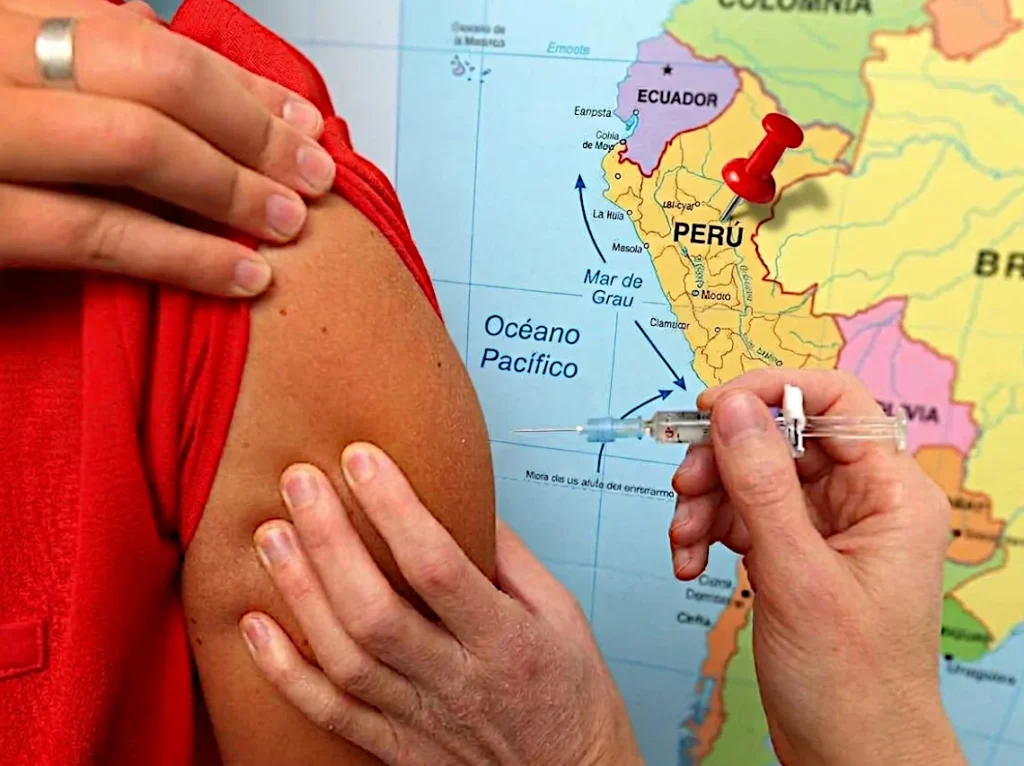
Vaccinations. There are no mandatory vaccinations to enter Peru. Yellow fever is recommended if you are going to the jungle (Iquitos, Puerto Maldonado, Tarapoto). Consult your GGD before booking.
Water. Do not drink tap water. In restaurants and hotels the water is filtered and safe; on the street, stick to bottled water.
Money. ATMs in banks and shopping centres are the safe option. Carry some cash in soles for markets and tips, but not large sums on you.
Travel insurance. Essential. Check that it covers medical emergencies, mountain evacuation and cancellation: many European policies do not cover Latin America without a specific add-on.
Political situation and protests
Peru has gone through periods of political instability in recent years, with protests in some regions. It is worth understanding that these tend to be localised —often in the southern Andes— and rarely affect the main tourist circuits. Even in tense moments, the government usually opens safe tourist corridors.
The prudent thing is to check the travel advice of the Dutch Ministry of Foreign Affairs before you leave and, once in the country, ask at your accommodation about the situation that day. Local information always beats a headline from two weeks ago.
When to travel and how not to get the itinerary wrong
The dry season, from May to September, is the most comfortable for the highlands and for the Inca Trail. The rainy season, from December to March, changes the landscape —everything greener— but complicates some treks.
A frequent mistake is cramming too many cities into too few days. Cusco is not visited in two days: it is lived in four or five, with time for the Sacred Valley, for Machu Picchu and, above all, to acclimatise. And if the itinerary includes the Amazon, leave the lodge for the end: the jungle rewards calm, not haste.
Is it safe for those travelling alone?
It is one of the most repeated questions, especially among female readers. The short answer: yes, with nuances. Peru has a hospitable culture and a well-worn tourist circuit, and thousands of women travel the country alone every year without incidents.
The nuances are the same as in any destination: at night, it is better to move around by trusted taxi and avoid empty streets; in bars, do not let your drink out of your sight; and in busy markets or stations, carry your backpack in front. Peru’s advantage is that tourism is highly concentrated in safe areas —Cusco, the Sacred Valley, Miraflores— and that the local travel community responds quickly to any question.
The practical recommendation: stay in well-established tourist areas, use travellers’ groups and forums to ask about the specific terrain you are going to set foot on, and do not tell strangers where you are sleeping or how long you will be away.
What it costs and how not to overpay
Peru suits many budgets. A backpacker can get by on 30-40 euros a day between basic accommodation, set menus and public transport. A comfortable trip —three- or four-star hotels, restaurants and private transfers— sits comfortably between 80 and 120 euros a day. And on the classic routes, prices only shoot up on three things: the train to Machu Picchu, the Inca Trail and domestic flights in high season.
Where the money goes without you noticing: tours bought on the street at the last minute, taxis without an agreed fare and changing money at the airport. Booking the train and tickets in advance, changing money at banks or formal exchange offices and agreeing the taxi price before getting in saves more than any coupon.
If something happens: who to call and where to ask for help
Peru’s emergency numbers are free and work from any phone: 105 for the National Police, 106 for medical emergencies and 116 for the fire brigade. It is worth having them saved before you land.
If the problem involves paperwork —a lost passport, a theft reported for insurance— the first stop is the district police station, and then the Embassy of the Kingdom of the Netherlands in Lima, which assists Dutch citizens. Keep a digital copy of your passport and insurance in your email or in the cloud: it solves more procedures than it seems.
Embassy of the Netherlands in Lima
Torre Parque Mar, Av. José Larco 1301, piso 13, Miraflores — Lima
Phone: +51 1 213 9800 (available 24 hours a day, 7 days a week)
Public services: Tuesday to Thursday, 9:00–12:30, by appointment only
Email: lim@minbuza.nl · Web: netherlandsworldwide.nl
And for any emergency from abroad, the Dutch Ministry of Foreign Affairs has a contact centre that answers 24 hours a day: +31 247 247 247. It also handles questions from travellers and from family members in the Netherlands.
And one tip that almost everyone who has travelled gives: the staff at your accommodation are your best local resource. They know when to move around, which neighbourhood to avoid and which number to call. Ask before you improvise.
Final thought
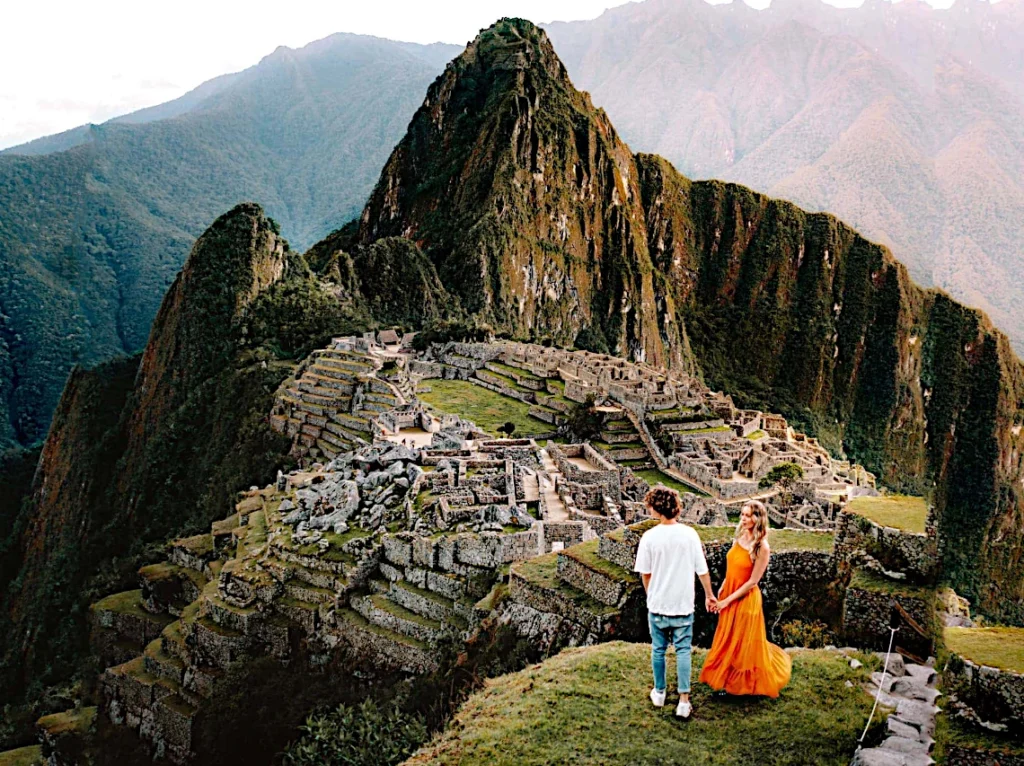
Peru is an enormous, diverse country and, with information and common sense, perfectly safe for tourists. The risk of not going is much greater than that of going: missing Machu Picchu at sunrise, not tasting ceviche in a Lima market or not understanding why three thousand varieties of potato fit into a single country.
Travel with your eyes open, respect your body’s timing and ask before you improvise. With that, you will most likely come back with the same answer almost everyone gives: that it was much calmer than you expected.
If you have already travelled to Peru from the Netherlands, tell us in the comments: did you feel safe? What advice would you give someone planning it? And if you are preparing your trip, browse our guides on Machu Picchu, the best season to travel to Peru and the mysteries and traditions that do not appear in travel guides.