This post is also available in:
 Español
  Nederlands
The most common mistake when we talk about ancient America
Let’s be honest: almost all of us have done it. Someone mentions the pyramids of America and our mind jumps straight to a blurry image where Incas and Mayas merge as if they were distant cousins who shared the same continent and the same era. Some people even believe the Mayas built Machu Picchu or that the Incas wrote in hieroglyphs.
Nothing could be further from the truth. And the fascinating part is that, once you start pulling the threads apart, you find two stories that are equally impressive but completely different. This article will not only clarify the differences once and for all. It will also make you understand why both civilizations deserve their own place in history, without shortcuts or mixing.
Territories that never touched, not even in dreams
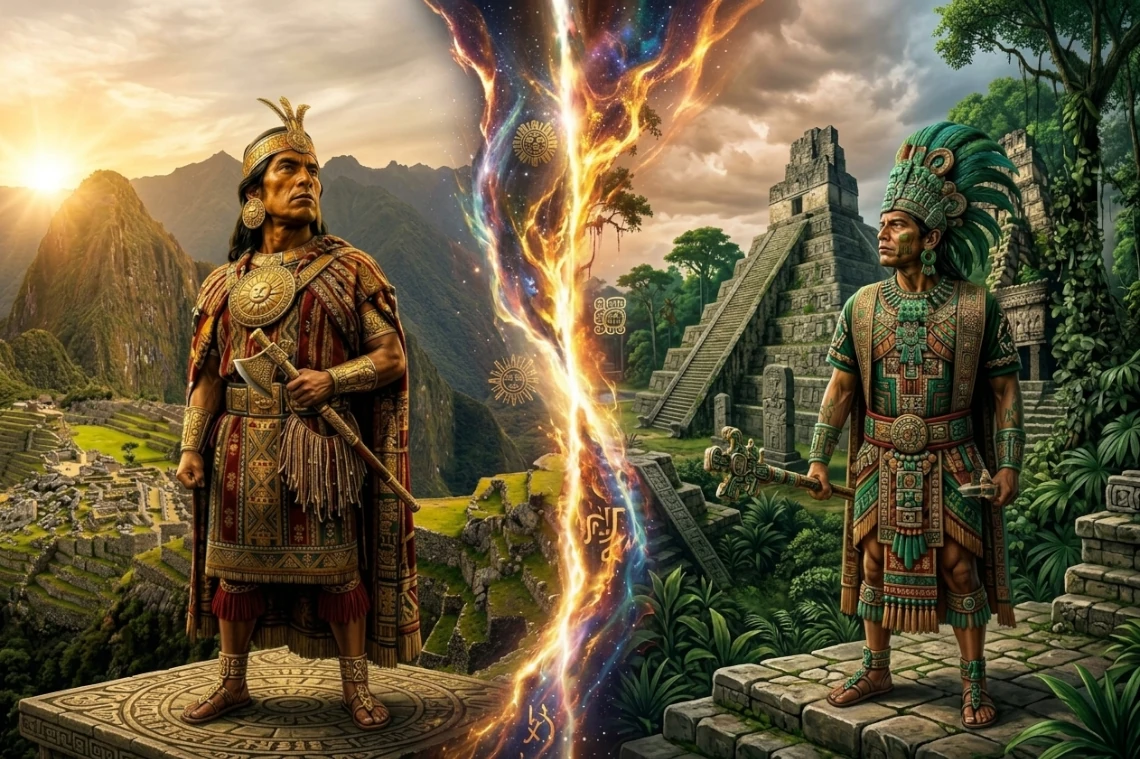
Let’s start with the most basic and the most confused point: geography. The Mayas and the Incas lived on different continents.
The Mayas flourished in Mesoamerica: a region that today covers southeastern Mexico (Yucatán, Chiapas, Tabasco), Guatemala, Belize, the western part of Honduras and El Salvador. If you have ever seen images of pyramids rising out of thick green jungle, with the sound of howler monkeys in the background, you are on Maya territory. Tropical rainforest, humid skies, cities that seem to be embraced by the vegetation.
The Incas, by contrast, ruled the Andes. Their empire —the Tahuantinsuyo— stretched across what is today Peru, Bolivia, Ecuador, southern Colombia, northern Chile and northwestern Argentina. If you picture imposing mountains, deep blue skies at 3,500 metres, farming terraces climbing the slopes and a silence broken only by the wind of the puna, you are on Inca territory. Machu Picchu, Cusco, the Sacred Valley.
Between these two worlds lie thousands of kilometres of jungle, mountain and desert. There was never any contact. They never saw each other. Each civilization grew up unaware of the other’s existence, and that makes them even more fascinating.
Time: a gap of more than a thousand years
Here comes the second big mistake: thinking they coexisted. They did not.
The Maya civilization reached its greatest splendour during the so-called Classic Period, roughly between the years 250 and 900 AD. During those six and a half centuries, the Mayas built enormous cities such as Tikal, Palenque, Copán and Calakmul.
They developed a complete writing system, calculated the movement of the stars with a precision that amazes modern astronomers, and created a calendar spanning millions of years.
Then, between the ninth and tenth centuries, something happened. The great southern cities were abandoned. The stelae stopped being carved. The classic Maya civilization collapsed for reasons still debated today (climate change, internal wars, resource depletion). But the Mayas did not disappear. They simply reorganised in northern Yucatán during the Postclassic period, where cities such as Chichén Itzá and Mayapán took over.
By the time the Incas began their imperial expansion —and that did not happen until the mid-fifteenth century, with Pachacutec as the great visionary— the classic Maya civilization had already been in decline for more than 500 years. The Inca Empire lasted barely a hundred years before the arrival of the Spanish. A hundred years. A sigh in historical terms. Yet in that century, the Incas managed to build the largest and best-organised empire in all of pre-Columbian America.
Think of it this way: when the Incas began to expand, the Mayas were already ruin and memory. There was not a single moment when a Maya and an Inca shared the same historical time as living cultures at their peak.
Ruling: a king in every jungle, an emperor in every mountain range
This is perhaps the deepest political difference between the two civilizations.
The Mayas never formed a unified empire. That is key. What existed was a mosaic of independent city-states —Tikal, Palenque, Copán, Calakmul, Yaxchilán, Piedras Negras— each ruled by its own king (called a k’uhul ajaw, “holy lord”) and, in some cases, by queens.
These cities competed with one another for resources, prestige and power. They formed alliances, waged wars, captured rival kings to sacrifice them. The balance of power was unstable: one city dominated for a few decades, then another took over. There was never a permanent “Maya capital”.
The Incas were the exact opposite. They created a centralised, hierarchical and militarised state such as America had never seen. At the top stood the Sapa Inca, considered the son of the sun god (Inti) and owner of the entire territory and its inhabitants.
From Cusco —the navel of the world, according to their worldview— the empire was divided into four suyus or regions, each with a governor appointed by the Inca himself. The administration was so efficient that they could count the population, store food for times of scarcity, and mobilise armies across the Andes within days.
And then there was the Qhapaq Ñan: more than 30,000 kilometres of roads connecting the entire empire. With tambos (lodges) at regular intervals, hanging bridges over chasms and a system of messengers —the chasquis— able to carry a message from Cusco to Quito in less than a week. The Romans had their highways; the Incas had their own Andean road network, as impressive as any engineering feat of antiquity.
Writing: glyphs against knots
This is another of those differences that make each civilization unique in its approach.
The Mayas developed the only complete writing system that existed in pre-Columbian America. Maya glyphs combined logograms (signs representing whole words) and syllabic signs, which made it possible to write any idea, name or concept.
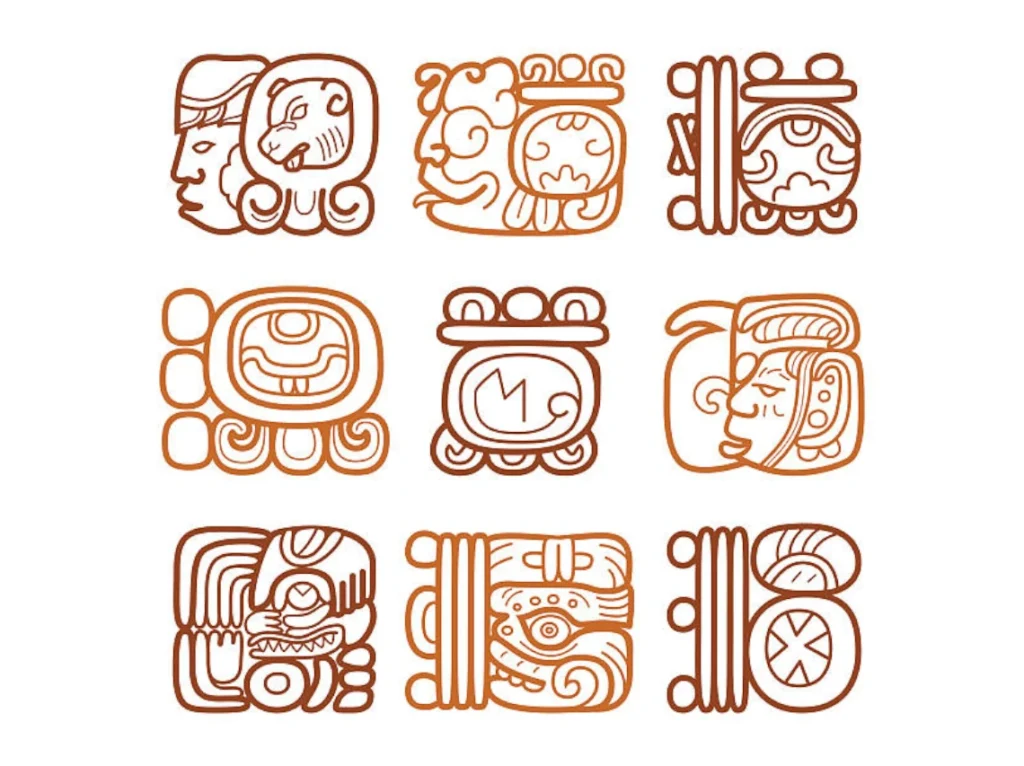
Thanks to that, today we can read the names of their rulers, the exact dates of their battles and ceremonies, and their complex astronomical knowledge. The Maya codices —only four of which survive— contain information about calendars, rituals and astronomy that is still being studied centuries later.
The Incas had no writing in the conventional sense. But that does not mean they lacked sophisticated recording systems. The khipus —bundles of coloured strings with knots at specific positions— were their administrative tool par excellence. Each colour stood for a category (population, agricultural production, livestock, taxes), and the position and number of knots indicated numerical quantities.
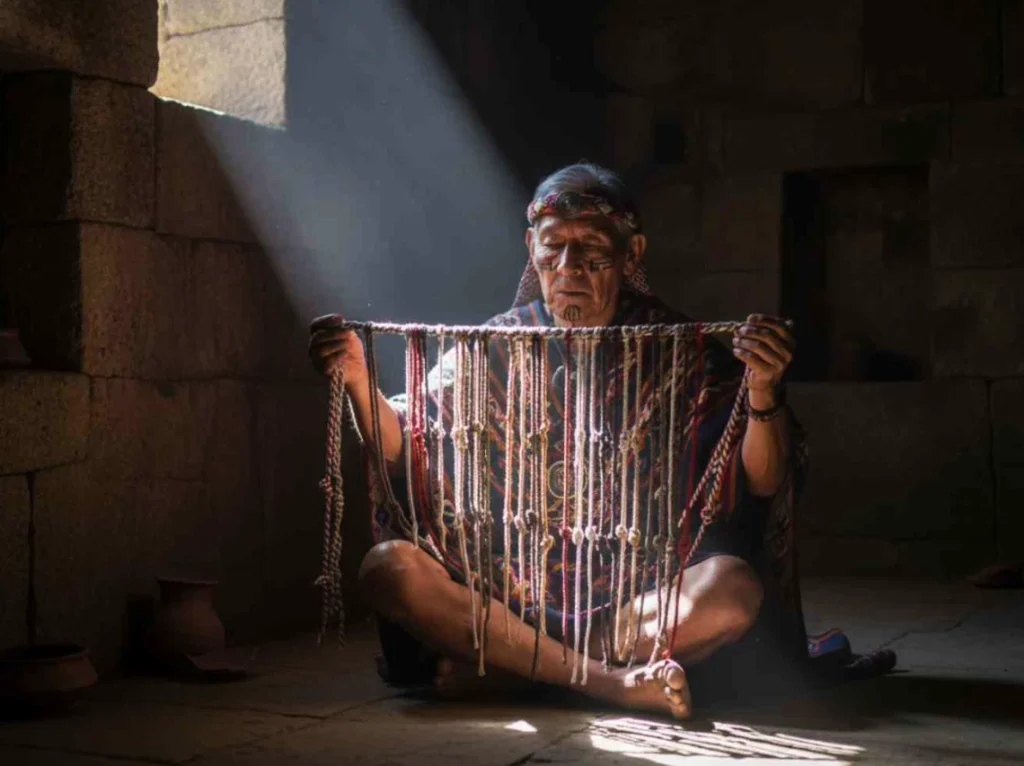
Recent research suggests the khipus could also hold narrative information, not only numerical, though fully deciphering them remains one of the great challenges of Andean archaeology.
The Mayas wrote to tell their history. The Incas knotted to administer their empire. Two brilliant solutions to different needs.
Two civilizations that never crossed paths solved the same problems in opposite ways: the Mayas wrote their history, the Incas knotted it.
Building: pyramids in the jungle, stones in the mountains
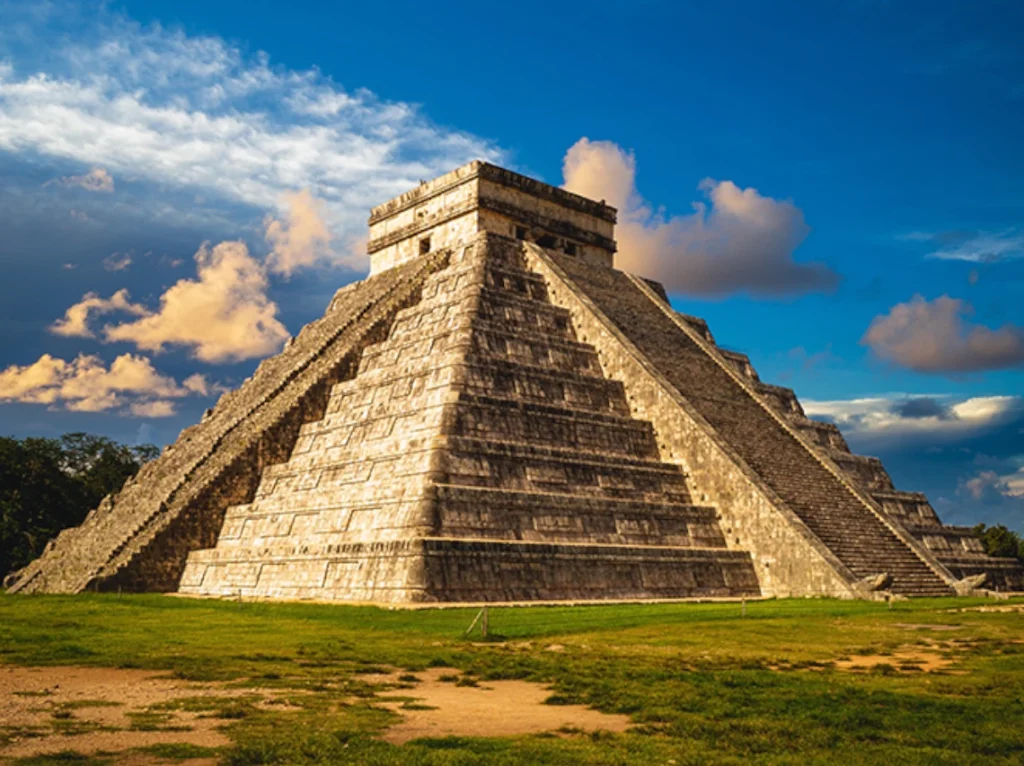
When you think of Maya architecture, images come to mind of stepped pyramids rising out of the jungle, decorated with deity masks and glyphs carved in limestone. Tikal, with its temples soaring above the rainforest canopy. Chichén Itzá, with El Castillo casting the shadow of the feathered serpent during the equinox.
Palenque, with the Temple of the Inscriptions guarding the tomb of King Pakal. The Mayas built upward, toward the sky, integrating their buildings into a jungle landscape that wrapped around them.
Inca architecture is radically different. The Incas did not build upward: they carved the mountain itself. Their walls of perfectly fitted stones —without mortar, without cement, just stone against stone— are an engineering feat that still baffles modern architects and engineers.
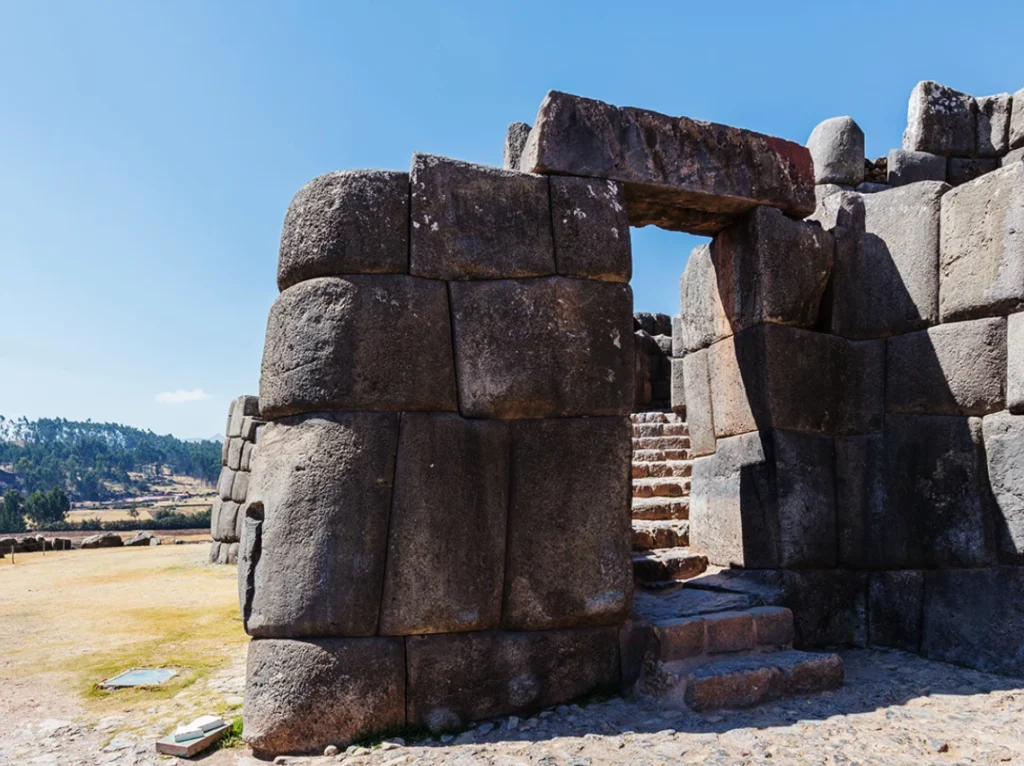
In Sacsayhuamán, some stones weigh more than 100 tonnes and fit together with millimetre precision. In Machu Picchu, the entire city seems to be born from the rock, not built upon it. The trapezoidal walls and equally trapezoidal doorways were not merely aesthetic: they were designed to withstand the earthquakes common to the Andes.
While the Mayas decorated their façades with reliefs and colours, the Incas preferred bare stone, pure form, integration with the landscape. Two opposing architectural philosophies, both impressive.
Knowing: measuring the sky, taming the earth
The Mayas looked at the sky and deciphered its mysteries. They calculated the cycle of Venus with only two hours of error per year.
They developed a calendar system combining cycles of 260 days (Tzolk’in, the sacred calendar) and 365 days (Haab’, the solar calendar), synchronising them in the so-called “Calendar Round” that repeated every 52 years. And they created the Long Count, a system that measured time in periods of thousands of years. They were the first in America to use the mathematical concept of zero, an intellectual achievement of the first order.
The Incas looked less at the sky than at the earth. They did not need a calendar of astronomical precision: they needed to feed millions of people across rugged terrain stretching from desert coast to 4,500 metres of altitude.
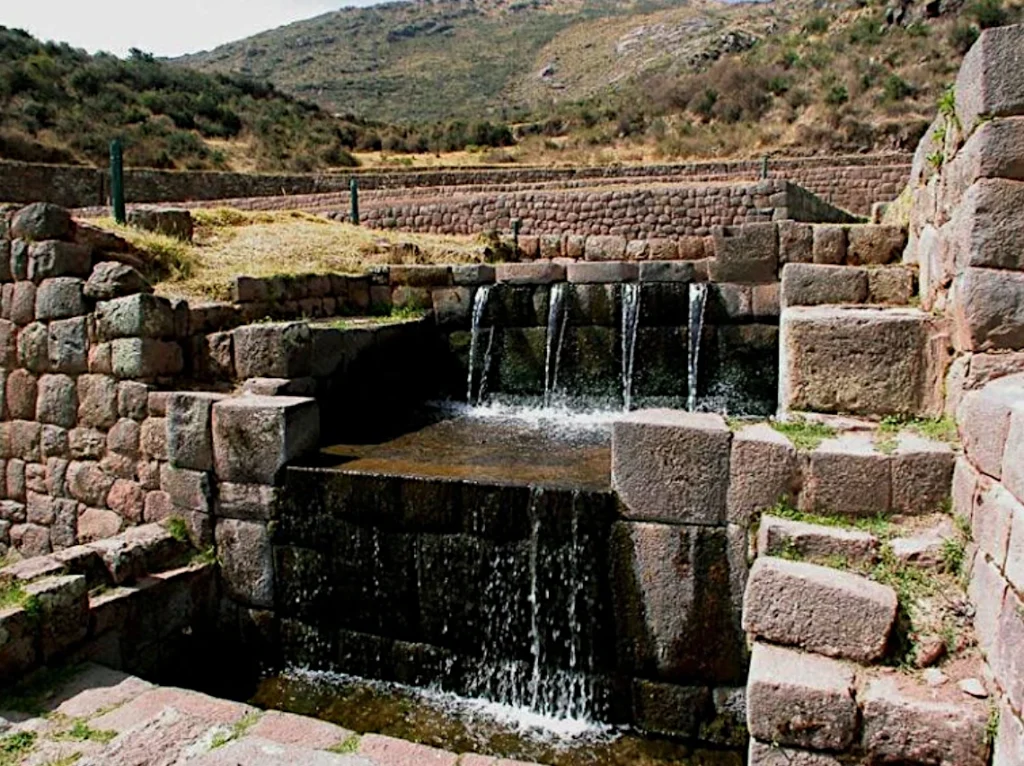
And they succeeded. They domesticated more than 3,000 potato varieties. They built farming terraces on mountain slopes that prevented erosion and created microclimates for different crops. They developed irrigation systems that channelled water from glaciers to arid areas. They invented food-preservation techniques (chuño, freeze-dried potato) that made it possible to store food for years.
The Mayas were great mathematicians and astronomers. The Incas were great engineers and farmers. Both forms of knowledge are, each in their own way, extraordinary.
Their greatness cannot be measured side by side: the Mayas mastered the sky; the Incas, the mountain.
The legacy that is still alive
Something many people do not know: neither the Mayas nor the Incas disappeared. Their descendants are still here.
Today, roughly 6 million people speak Mayan languages in Mexico and Central America. Yucatec, K’iché, Mam, Q’eqchi’ and other languages of the Maya family are living languages spoken in homes, markets and communities. The Maya worldview is still present in farming rituals, in traditional medicine, in the way time and community are organised.
The descendants of the Incas are the millions of Quechua and Aymara speakers living in the Andes. Quechua is the most widely spoken indigenous language in the Americas, with between 8 and 10 million speakers. The Andean worldview —with concepts such as the ayllu (community), the pachamama (mother earth) or the yanantin (complementary duality)— still structures the life of entire communities in Peru, Bolivia and Ecuador.
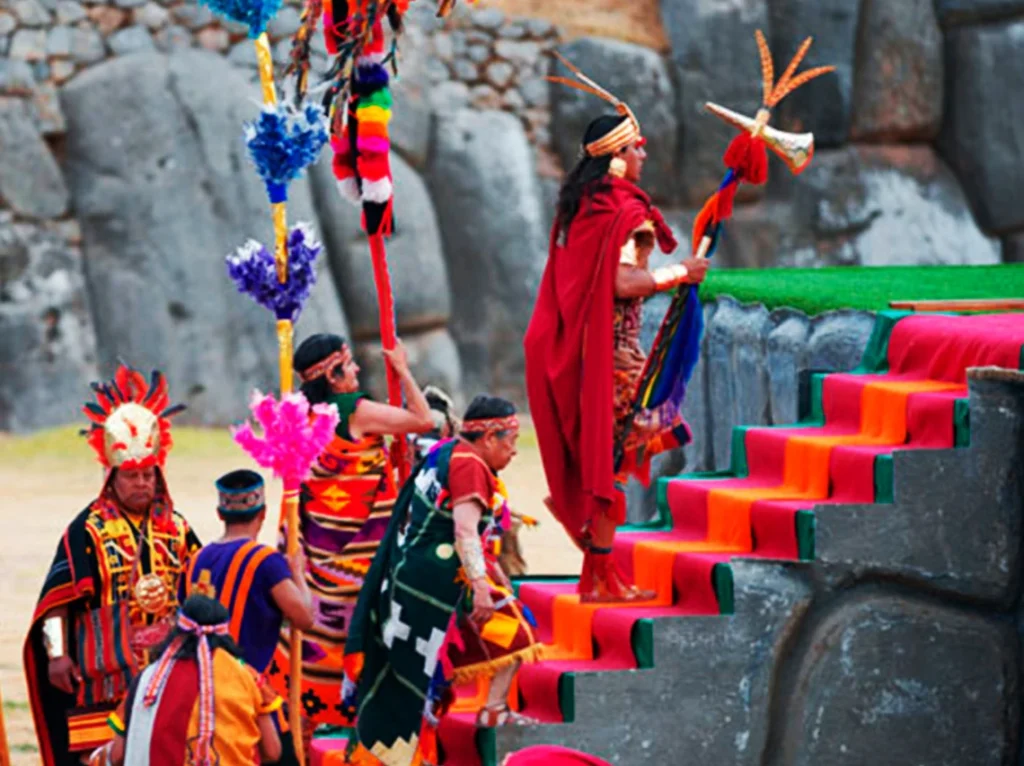
As a Peruvian in the Netherlands, when you say “I am Peruvian”, you carry the Inca legacy with you. But you also carry the legacy of the cultures that came before: the Moche, the Nazca, the Chavín, the Wari.
And when you see a Dutch friend’s fascination with pre-Columbian America, you can proudly explain that no, the Mayas are not the same as the Incas, and that the history of America is far richer and more complex than textbooks usually tell.
Final reflection
Incas and Mayas were not the same. They shared no territory, no era, no form of government, no language, no architecture, no science. They were two completely different paths to greatness.
The Incas built the largest empire in pre-Columbian America with an unstoppable administration and an engineering that defies logic. The Mayas developed an astronomical and mathematical knowledge that still fascinates scientists centuries later. Both civilizations deserve to be known in their difference, without mixing and without shortcuts.
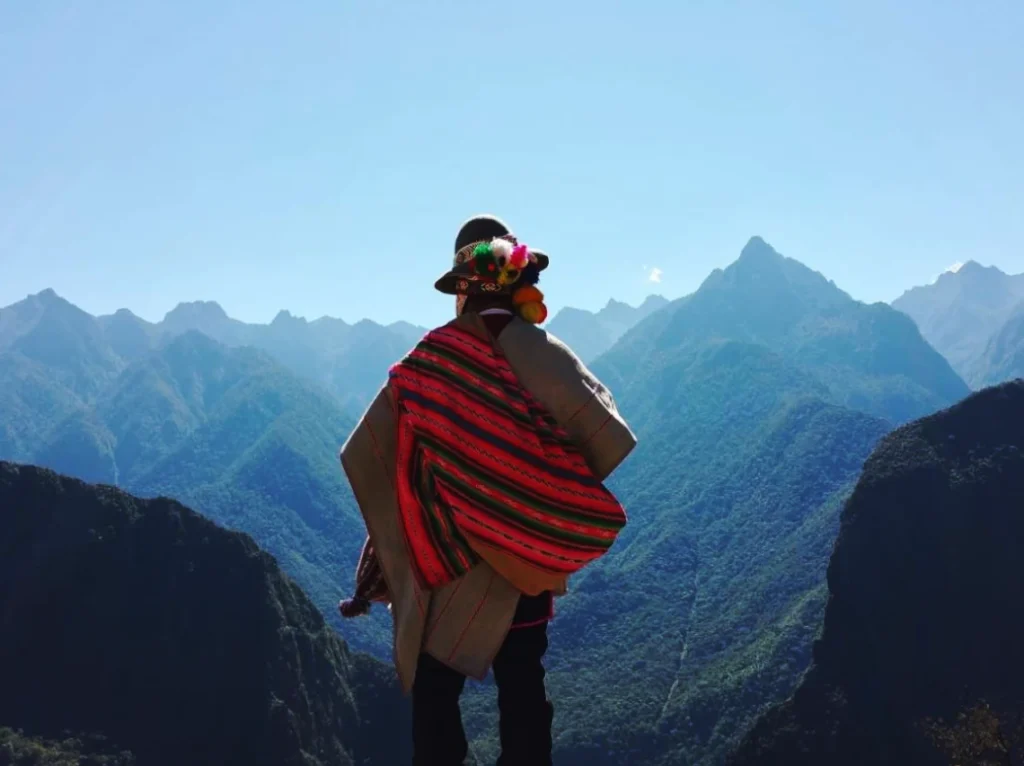
The next time someone mixes up Incas and Mayas, you will know what to say. And if you want to keep exploring the history of ancient Peru —beyond the Incas— start with a millennia-long journey from the Andean civilizations. This is only the beginning.
Share this article with whoever you think needs to read it. Comment on what other difference you know or which ancient civilization you would like us to explore. And if you are a Peruvian in the Netherlands, tell us: how do you explain our history when people ask you?